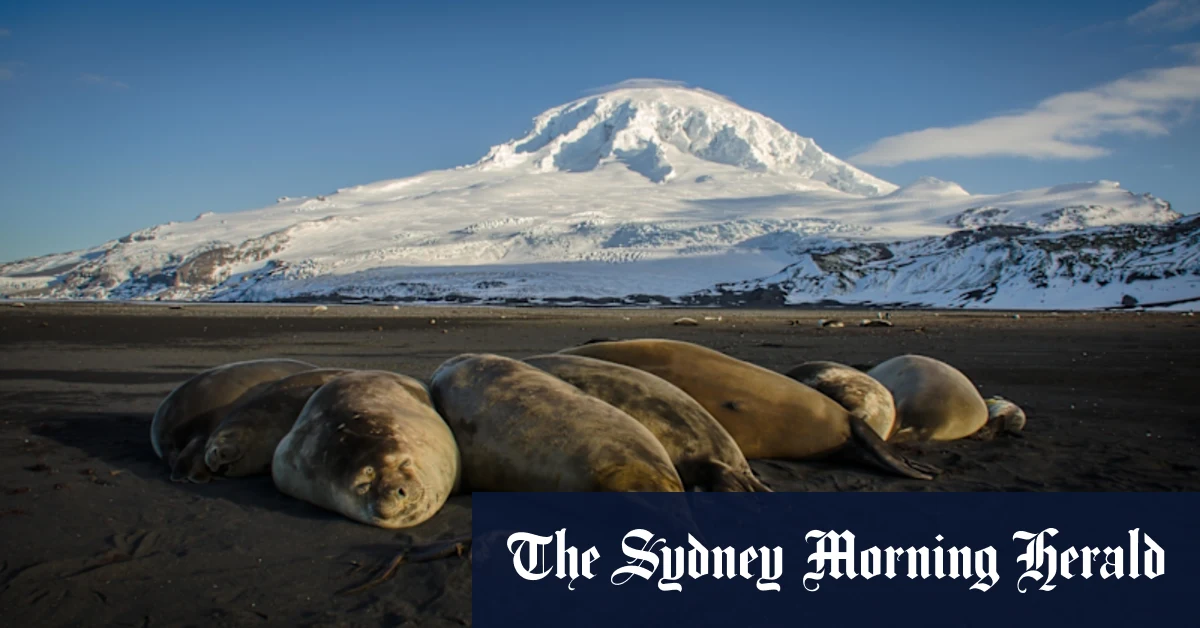
H5N1 avian influenza virus signs on Heard Island
“We’re seeing lots of animals with signs of neurological disease: they can’t stand up, they fall over, and birds are often twisted in this really strange position called torticollis,” Wille said. “When they die, we also see respiratory signs in animals, so they struggle to breathe. On the French sub-Antarctic islands of Kerguelen and Crozet … they’ve reported seeing southern elephant seals with eyes that look like they’re wearing goggles, so we’re seeing lots of infection in the eyes.”
The Australian Antarctic Program mission to Heard Island on board the ship RSV Nuyina was mounted after the virus was discovered on Kerguelen and Crozet islands.
The virus reached Antarctica in the 2023-24 season, Wille said, with detections on the sub-Antarctic island of South Georgia, the Antarctic Peninsula and South Shetland Islands. It was found again in the 2024-25 summer in the same locations before it spread to Kerguelen and Crozet.
Wille said king penguins in the sub-Antarctic islands were heavily affected, as were African penguins, but many of the charismatic species such as emperor penguins were so far mostly unscathed.
On Heard Island the scientists did not find unusual mortality among other species including penguins and seabirds, a joint statement from the federal environment and agriculture departments said.
The samples have been safely collected and securely packaged. When the ship returns to Australia in mid-November, testing will be carried out by the CSIRO Australian Centre for Disease Preparedness; it will take several weeks to get results.
The Australian government is investing more than $100 million into strengthening bird flu preparedness, including surveillance of wild birds, and is encouraging members of the public to report any wildlife showing symptoms. Other countries have vaccinated wild birds – New Zealand has vaccinated critically endangered kakapos and four other endangered bird species, while the United States has successfully vaccinated and released condors. The Australia government has procured H5N1 avian influenza vaccine for potential use.
Wille said there had been no cases yet of human-to-human transmission, but there were cases of humans catching it from wildlife and farm animals.
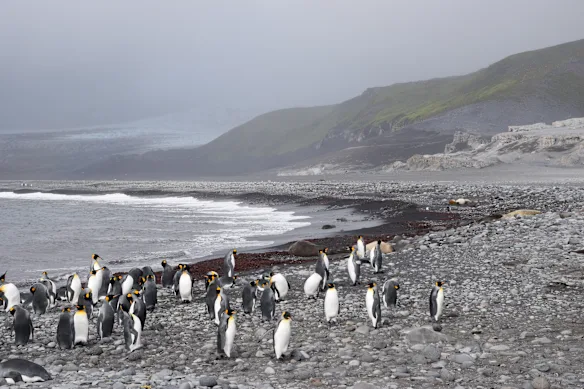
The penguins at Heard and McDonald Islands in the Southern Ocean are not dying in elevated numbers, unlike the elephant seals.Credit: Department of Environment, Climate Change and Water
Invasive Species Council policy director Dr Carol Booth said Australia needed to prepare not just for the “looming H5N1 catastrophe”, but to update federal environmental laws to ensure Australia would be prepared for similar threats in future.
“Australia’s failure to prepare for other emerging threats and deal systematically with existing threats leaves our wildlife highly vulnerable to new threats like bird flu,” Booth said in a statement.
“This outbreak warning from Heard Island reinforces the need for EPBC [Environment Protection and Biodiversity Conservation] Act reforms to give governments the legal tools, funding and co-ordination to prevent and manage major threats to Australia’s wildlife – not just streamline development approvals.”
Get to the heart of what’s happening with climate change and the environment. Sign up for our fortnightly Environment newsletter.