
7 Drinks That Can Help You Get More Vitamin C Every Day
Vitamin C is an essential nutrient that plays many important roles in health. It’s a powerful antioxidant, it’s necessary for collagen production and immune function, and it enhances your body’s ability to absorb iron. Many drinks, like juices and smoothies, pack an impressive amount of vitamin C and can be a convenient way to boost your intake.
Kseniya Starkova / Getty Images
- Vitamin C content: 120 mg or 120% of the Daily Value (DV)
- Serving size: 1 cup
A cup of fresh-squeezed 100% orange juice provides 120% of your daily vitamin C needs, making it one of the best sources you can drink.
Orange juice is also packed with protective plant compounds, like flavonoid antioxidants, as well as other vitamins and minerals, like potassium and folate.
Studies show that drinking orange juice may benefit cognitive function and heart health while improving overall diet quality.
Javier Zayas Photography / Getty Images
- Vitamin C content: 93.9 mg or 104% of the DV
- Serving size: 1 cup
Grapefruit juice is a potent source of vitamin C, with a cup containing over 100% of your daily needs.
Grapefruit juice is also packed with vitamin A and powerful plant compounds, including carotenoids and flavonoids such as naringin, that help the body manage oxidative stress and inflammation.
Research shows that drinking grapefruit juice can increase blood levels of vitamin C and naringin while boosting the blood’s overall ability to neutralize harmful free radicals.
HUIZENG HU / Getty Images
- Vitamin C content: 123.3 mg or 136% of the DV
- Serving size: 1 cup
While fresh tomatoes contain a solid dose of vitamin C, concentrated forms such as tomato juice pack significantly more per serving. A 111-gram tomato provides just under 20% of the DV, while a cup of tomato juice packs 136%.
In addition to vitamin C, tomato juice is a good source of potassium and lycopene, a plant pigment with powerful antioxidant and anti-inflammatory properties.
Nattarada Nartakong / Getty Images
- Vitamin C content: 25 mg or 27.7% of the DV
- Serving size: 1 cup
A cup of pineapple juice contains over 27% of your daily vitamin C needs and also provides other essential vitamins and minerals, like folate and B6.
Pineapple juice also contains antioxidant plant compounds, like flavonoids and bromelain, an enzyme that has powerful anti-inflammatory properties.
Brent Hofacker / Getty Images
- Vitamin C content: 23.5 mg or 26% of the DV
- Serving size: 1 cup
Cranberry juice provides a hefty dose of vitamin C, along with beneficial plant compounds like proanthocyanidins (PACs), which are known to support urinary tract health.
Although more research is needed, Vitamin C may help convert a compound in urine called nitrite into nitric oxide, which can kill harmful bacteria. PACs work by preventing UTI-causing bacteria, like E. coli, from sticking to the lining of the bladder and urinary tract.
Stela Badea / Getty Images
- Vitamin C content: 61.4 mg or 68.4% of the DV
- Serving size: One smoothie made with 1 cup of frozen strawberries
Smoothies can be enjoyed as a healthy snack or a light meal if you’re short on time.
A smoothie made with 1 cup of frozen strawberries and a cup of Greek yogurt covers over 68% of your vitamin C needs and provides 25 grams of filling protein.
You can bump up the vitamin C content of your smoothie even more by mixing strawberries with other vitamin C-rich fruits or vegetables like kiwis or kale.
Natalia Gdovskaia / Getty Images
- Vitamin C content: 28.6 mg or 20.6% of the DV
- Serving size: 2 cups of water with the juice of 1 lemon
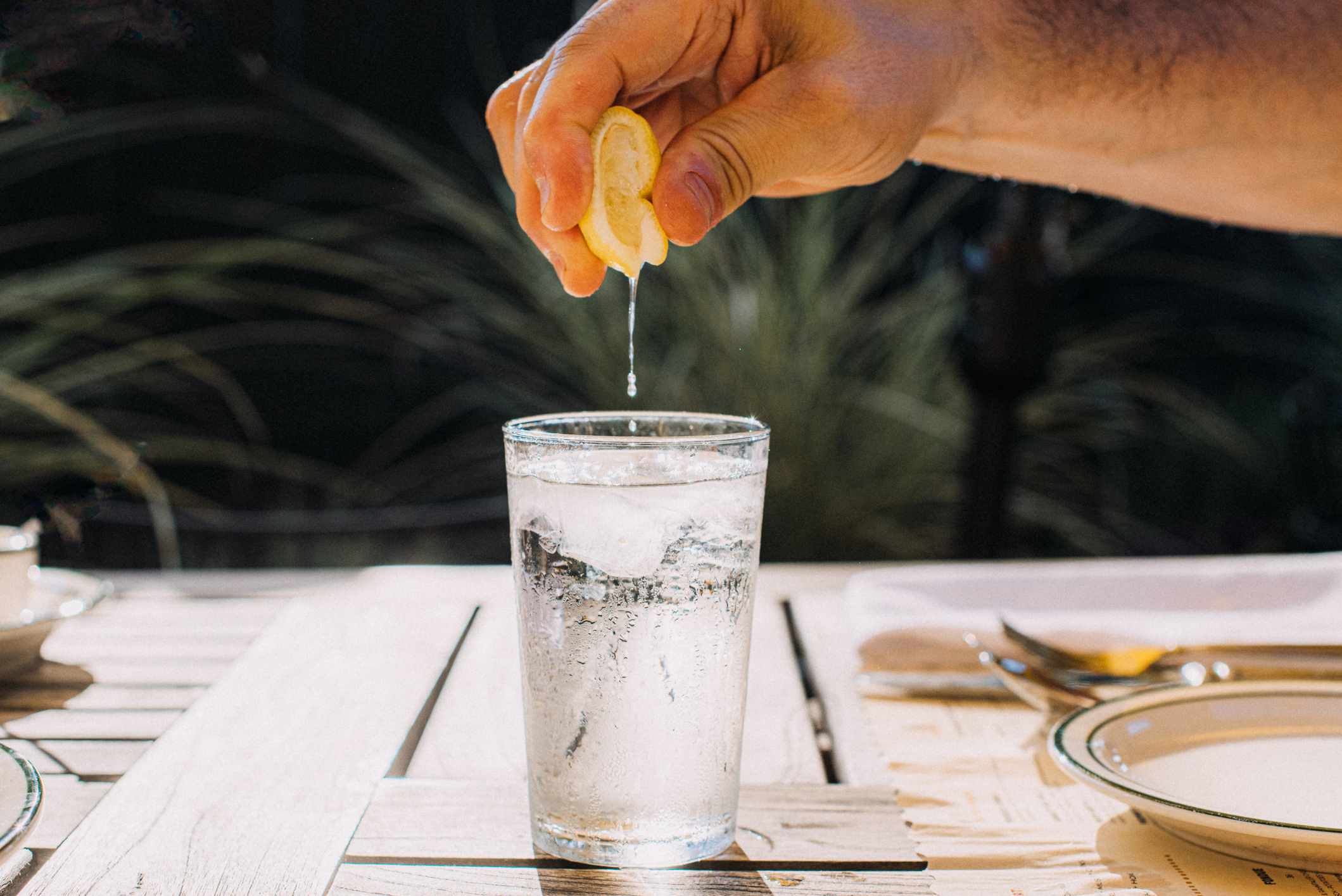
If you’d like to avoid the calories and high-carb content of juice, but still want a vitamin C-rich drink, try lemon water.
Squeezing a fresh lemon or pouring a tablespoon of lemon juice into your water can add a meaningful dose of vitamin C to your diet. Water made with the juice of 1 lemon packs over 20% of your daily vitamin C needs.
When shopping for drinks high in vitamin C, it’s important to be aware that not all beverages are nutritionally equal. Here’s what to look for:
- Choose 100% juice: Many juice drinks, like juice blends and fruit punches, contain added sugars, artificial colorings, and flavors. When possible, choose products made with 100% juice.
- Check for added sugar: Avoid juices and drinks with added sugar, as consuming too much added sugar can lead to health issues, like high blood sugar and liver disease, over time.
- Watch sodium levels: Tomato and vegetable-based juice can be high in added salt. To keep your added salt levels in check, opt for “low-sodium” versions when possible.
- Mind portion size: Even 100% fruit juices are concentrated sources of natural sugars and carbohydrates. To help manage your sugar and calorie intake, keep portions modest, about 4 to 8 ounces at a time.
- Consider fortified options: Some juices are fortified with nutrients such as vitamin C, vitamin D, calcium, or iron, providing an extra nutritional boost. These options can be beneficial if you tend to fall short on any of these nutrients in your regular diet.