How magnetic is the moon? A new study cracks the long-standing mystery | Space
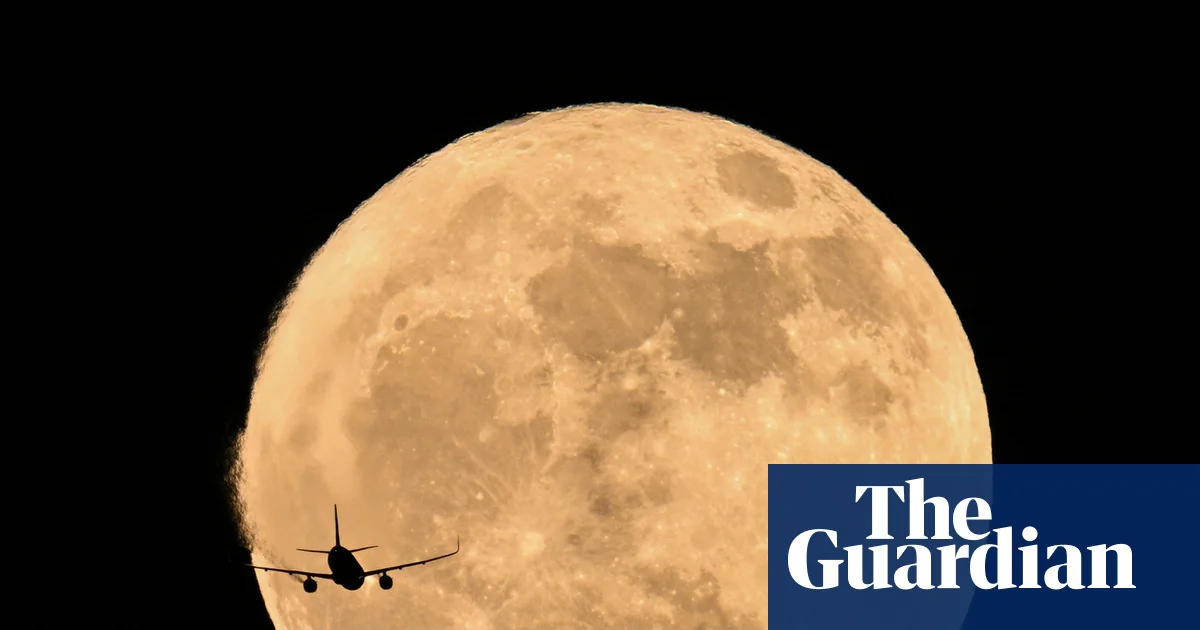
How magnetic is the moon? Analysis of rock samples from the Apollo missions suggested that the moon had an extremely strong magnetic field in its early history – even stronger than Earth’s.
But no one could figure out how such a small planetary body could have such a strong field. Now a fresh study has cracked the mystery.
Claire Nichols and her team from the University of Oxford analysed the titanium content of the moon rocks. They found those with high titanium content were associated with melting of titanium-rich material deep inside the moon, which generated a strong magnetic field.
By chance, the Apollo missions collected more of the high titanium rock samples because this rock type is more prolific in the relatively flat area where they chose to land.
The results, which were reported in Nature Geoscience, reveal that this sampling bias gave the misleading impression that the moon had an exceedingly strong magnetic field in its early history.
Nichols and her colleagues believe the strong magnetic field episodes were very rare – lasting no more than a few thousand years – and for most of the moon’s early history it had a very weak magnetic field. The upcoming Artemis missions will enable scientists to put this theory to the test.