Record on Indigenous kids in jail overshadows Australia’s UN Security Council bid
IN BRIEF
- Australia’s overincarceration of Indigenous children could hinder its chances of joining the UN’s Security Council.
- Indigenous young people between 10 and 17 years old made up 60 per cent of the youth detention population.
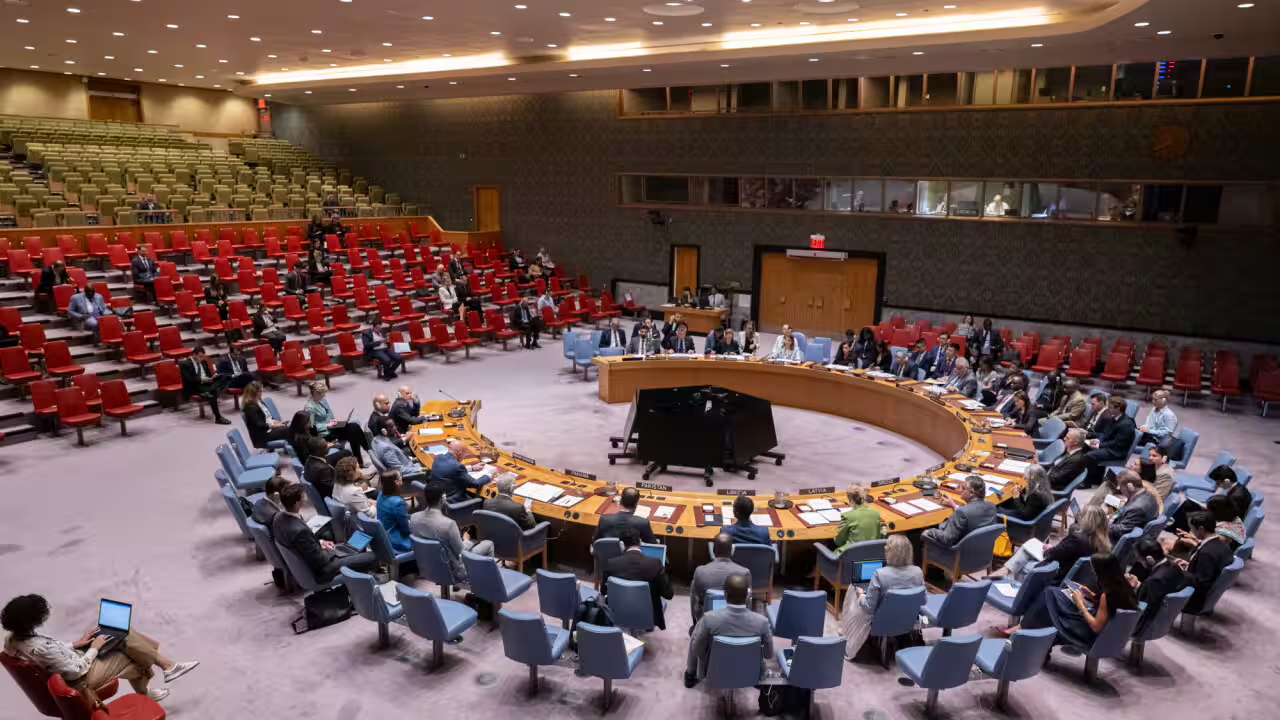
Australia is seeking international backing for a seat at the United Nations’ highest table, but the federal government has recently been the subject of an urgent UN plea to address the overrepresentation of Indigenous children behind bars.
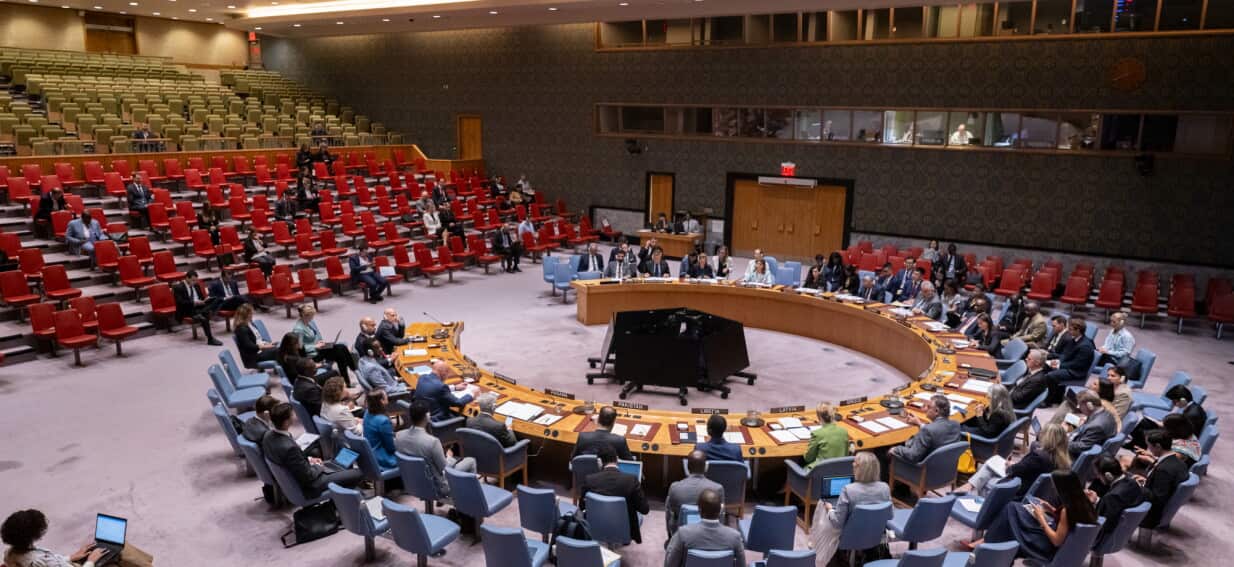
Prime Minister Anthony Albanese launched the campaign for a two-year stint on the UN Security Council overnight in New York with a promotional video that begins with Indigenous Australians Minister Malarndirri McCarthy speaking in her traditional Yanyuwa language.
She goes on to appeal for support for Australia’s bid, saying: “We are home to the oldest continuous culture on the planet.”
But the United Nations Committee on the Elimination of Racial Discrimination issued an “early warning and urgent action procedure” earlier this year, expressing grave concerns about racial discrimination against Indigenous children through education, healthcare and housing conditions — a “key factor contributing to their heightened vulnerability to arrest, incarceration and re-offending”.
The committee criticised the states and territories where the age of criminal responsibility is 10 years of age and where children face adult penalties for their crimes, including life in prison.
Your trusted source for staying up-to-date with the world around you. Get free daily news updates and analysis, straight to your inbox.
It also raised a red flag about the “limited progress” on the Closing the Gap measures which are at the heart of the federal government’s Indigenous Affairs policy.
It followed an investigation by the UN Working Group on Arbitrary Detention into Indigenous youth incarceration in Australia.
Last year the Australian Institute of Health and Welfare found Indigenous young people between 10 and 17 years old made up 60 per cent of the youth detention population across the country — despite making up only 6.6 per cent of the general population.
Indigenous young people were 21 times more likely than non-Indigenous youth to be in detention, and the numbers were increasing.
When pressed by SBS News in New York to explain how he would address concerns that the federal government is not showing enough leadership, the prime minister said he would discuss the issues with Indigenous leaders when he returns to Australia.
“Indigenous disadvantage is a fact in Australia,” Albanese said.
“My government continues to work on Closing the Gap in a range of areas in Australia.”
The prime minister also responded to questions about an investigation by The Australian newspaper into the Indigenous child protection system in Western Australia, despite yesterday dodging similar questions by saying he would not address domestic issues while abroad.
“We’re not about to intervene against the Western Australian government,” he said.
“This is a Western Australian issue, and, you know, I will refer you once again to Malarndirri McCarthy, our minister in Australia. It is impossible to follow, on an hour-by-hour basis, what is happening in Australia from New York.”
Albanese said it was right to highlight the importance of Australia’s Indigenous culture in the United Nations Security Council bid, to secure a non-permanent seat for two years in 2029 and 2030.
“Indigenous disadvantage is something that, of course, I’m always concerned with … we have in having the oldest continuous culture on Earth, and that needs to be a source of pride. It certainly is for myself as Australia’s prime minister.”
Albanese went on to outline the government’s efforts to address a chronic housing shortage in remote Indigenous communities.
“That is a multi-billion-dollar program being rolled out.”
He also said the government’s public education funding deal was helping young Indigenous students access school, and the federal government was assisting in healthcare, including providing financial support for dialysis treatment in remote communities.
He defended the measures the government has taken to support more job opportunities and said the Indigenous ranger program was raised during his trip to Apple headquarters in Silicon Valley, being partly funded by the company.
“You don’t overcome intergenerational disadvantage in a year, or indeed in a term,” he said.
“If there were easy answers, someone would have done it. The truth is, it hasn’t happened. The truth is, all governments in Australia need to do better, and that is one of the priorities that my government has.”
Australia and Finland are the only countries that have so far nominated for the two seats allocated for their geographic area; if no other countries nominate and they are accepted, they would be assured of securing the coveted positions.
Albanese said elevation to the council would ensure Australia has a voice on the future of Artificial Intelligence, climate action and dealing with international conflicts, arguing that would also mean being able to make a difference to domestic cost of living issues like inflation and fuel prices.
He said it would be a “modest” campaign in terms of the cost to taxpayers.
For the latest from SBS News, download our app and subscribe to our newsletter