

How much fibre do you really need? Here’s what an expert says
IN BRIEF:
- Fibre-maxxing has swept the algorithm, but it has multiple health benefits.
- Experts say it’s important fibre is consumed as food, and not supplements.
Are you getting enough fibre in your diet?
The recommended daily fibre intake is 30g for men and 25g for women, but Australian men and women consume on average about 21g and 18g of fibre per day, respectively. So, you’re probably not.
Dietitians have been calling for Australians to increase their fibre intake for decades, and now the challenge has made its way to social media.
Enter the fibre-maxxer: A person committed to hitting, and even exceeding, their daily fibre target.
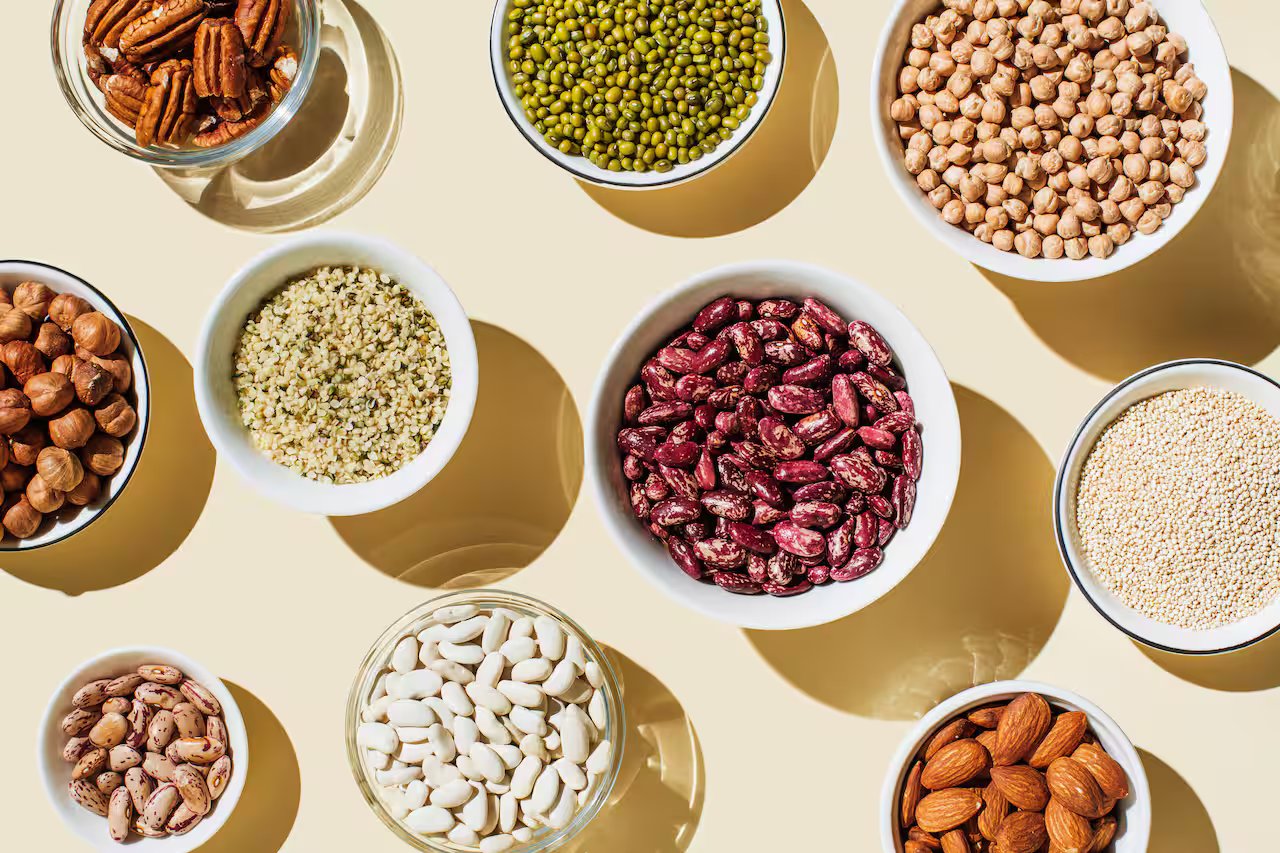
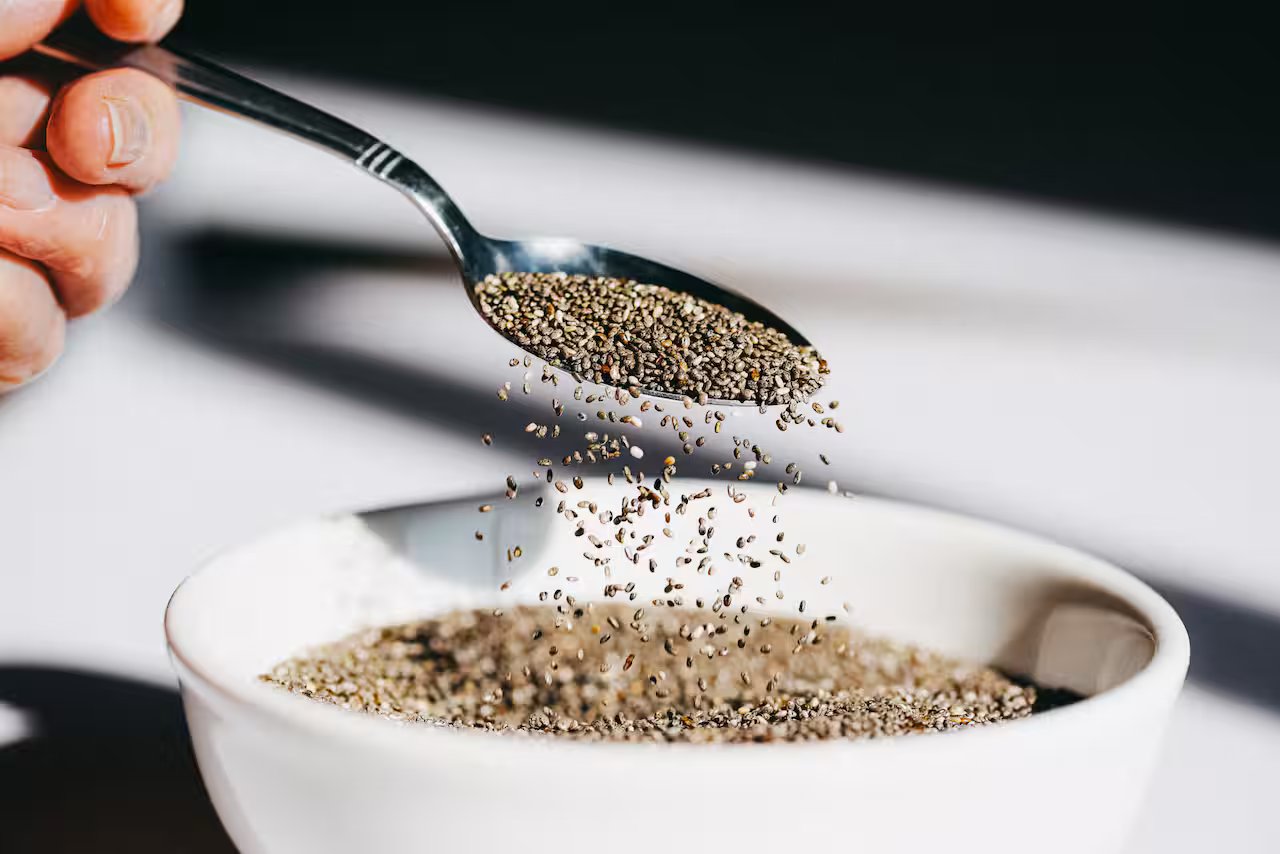
Online fibre-maxxers promote eating more fruits and vegetables and increasing dietary fibre intake by adding seeds, grains and vegetables to regular foods. This includes putting chia seeds in soft drinks, beans on avocado toast, grains in homemade bread, or adding a cup of legumes to rice.
Your trusted source for staying up-to-date with the world around you. Get free daily news updates and analysis, straight to your inbox.
Can you have too much fibre?
Program director of human nutrition and associate professor at Adelaide University, Evangeline Mantzioris, said that while fibre-maxxing was probably “one of the more positive” social media-fuelled food trends, some elements could be “problematic”.
“We actually do need to increase the amount of fibre in our diet,” Mantzioris told SBS News.
She said the daily intake suggestion of 25 to 30g per day was based on attaining the best health outcomes, including a reduction of colon cancer, “which is one of the most preventable diseases we have”.
“But I understand some are suggesting intakes up to 50 grams a day, possibly more, and there isn’t a lot of good evidence that having such extremely high levels may provide any additional benefits.”
While there is no upper limit on how much fibre you can eat, more fibre means your body produces more flatulence.
“One of the biggest problems, I guess, is gas, right? No one wants to be gassy out in public.”
Another issue, Mantzioris said, is fluid intake.
It was imperative to drink a healthy amount of fluids throughout the day, as without fluids, high fibre can cause constipation, rather than ease it.
“I describe it as it’s a bit like trying to clean the bathroom with a dry sponge or a wet sponge. The wet sponge is going to work a lot better than the dry sponge,” she said.
“Any increase in fibre will result in an increase in wind, and what we normally tell people to do is to do it slowly.”
Don’t “go from nothing to 40 grams of fibre in one day”. Instead, Mantzioris said, gradually increase high-fibre foods in your diet. This will also help ensure it is a “sustainable” transition for your gut microbiome, the complex community of trillions of microorganisms that live in your digestive tract.
“We know that the bacteria in our gut use that fibre for their survival, and we know that the fibre that comes from whole foods like fruit, vegetables, legumes, beans, nuts, and seeds gives you the healthiest type of microbiome possible”, as opposed to the bacteria that thrive on “sometimes foods”, which are unhealthy for your body.
“So it’s sort of like this lovely symbiotic relationship between your bacteria and you, and the more healthy food you give them, the better off they are, and the better off you are.”
Why fibre should come from food
“It’s all about balance,” Mantzioris said, stressing that fibre intake should come from food, not supplements, which she said some fibremaxxing influencers might be recommending.
“By using supplements, you’re missing out on all of the additional nutrients that are in the foods that they originally come from.”
She said the best way to avoid “overdosing” on fibre would be to get it from food.
“And get it from a range of different foods — there are a lot of different types of fibres, and they each play a different role in our bodies.”
“It’s important to eat beans, to eat fruit, eat vegetables, and to eat cereals, to get the maximum benefits from all the different types of fibres, as well as the nutrients that come with all those foods that we know promote health,” she said.
What is fibre?
Fibre is a nutrient found in many foods that reduces your risk of chronic disease and keeps your digestive system healthy.
Adequate dietary fibre is essential for proper gut function. It has also been related to risk reduction for some chronic diseases, including heart disease, certain cancers and diabetes.
There are three kinds of fibre: soluble fibre, which slows down digestion, like oats and barley; insoluble fibre, like whole grains, which bulks your stool and speeds up the movement of food through your digestive tract; and resistant starch, found in boiled and cooled potatoes, which ferments in your gut and acts as a prebiotic to feed beneficial bacteria.
Mantzioris said there were “a few reasons” why fibre intake was so consistently low in Australia.
Only about 5 per cent of Australians are meeting the minimum requirements for vegetables in their diet, at 5 serves a day.
“And of course, fibre vegetables are a great source of fibre,” Mantzioris said.
She pointed to the ever-increasing popularity of high-protein diets, or “the protein craze”.
“When you’re consuming more of one food, you’re dropping out another essential food group, which is providing you with essential nutrients.”
“They’re focusing on their protein intake, and we know that roughly 98 per cent of Australians meet their protein requirement”.
Beans, she said, were a great example of a high-protein food with multiple benefits.
“The benefit of that protein source is that it also gives you the fibre, and all the antioxidants that we need to fight disease, to reduce oxidative stress in the body and reduce inflammation.”
“Every different colour you have in the plant foods represents a different nutrient that’s useful for the body.”
Finally, she said, “There’s an aversion to carbohydrates in our society.”
“People see carbohydrates as the problem food when it comes to trying to manage their weight — and all of the carbohydrate-rich foods also provide us with a lot of fibre.”
For the latest from SBS News, download our app and subscribe to our newsletter.