
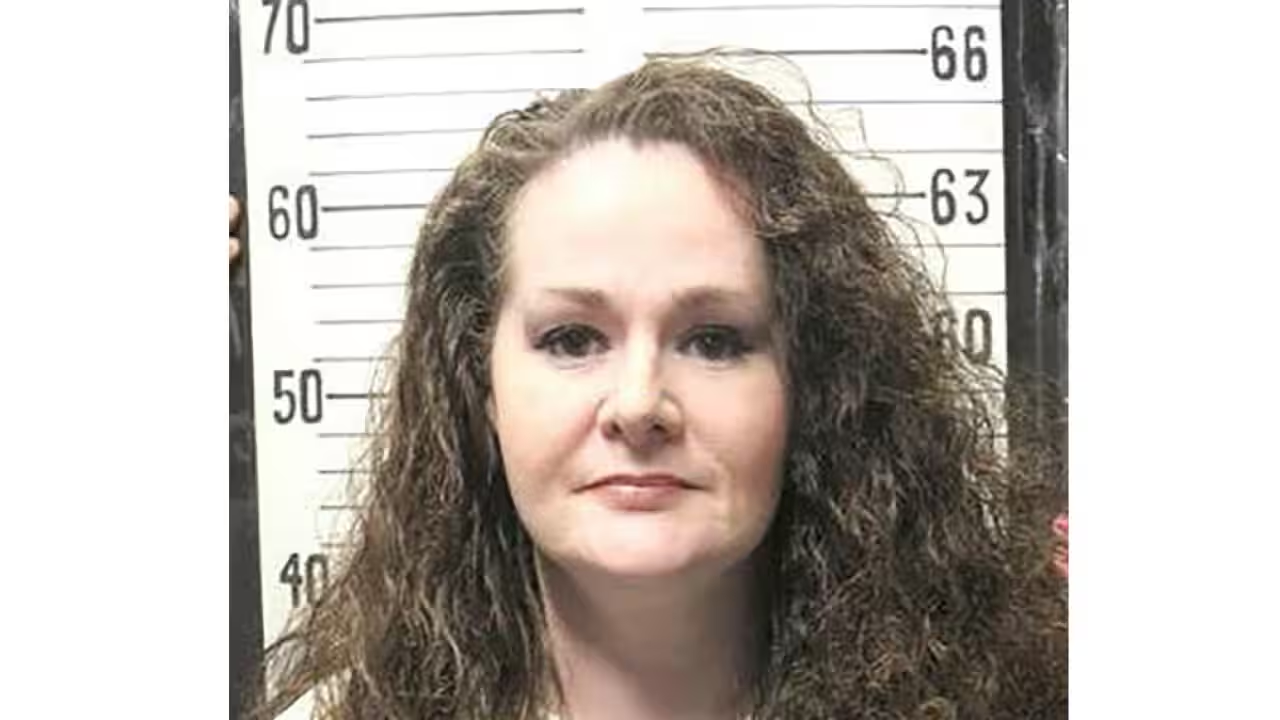
‘Angry and confused’: New details emerge about Christa Pike’s condition
IN BRIEF
- Christa Pike is awake and aware of what happened in her execution “up to a point”, according to her lawyer.
- If she has suffered serious brain damage, the state of Tennessee could be barred from trying to execute her again.
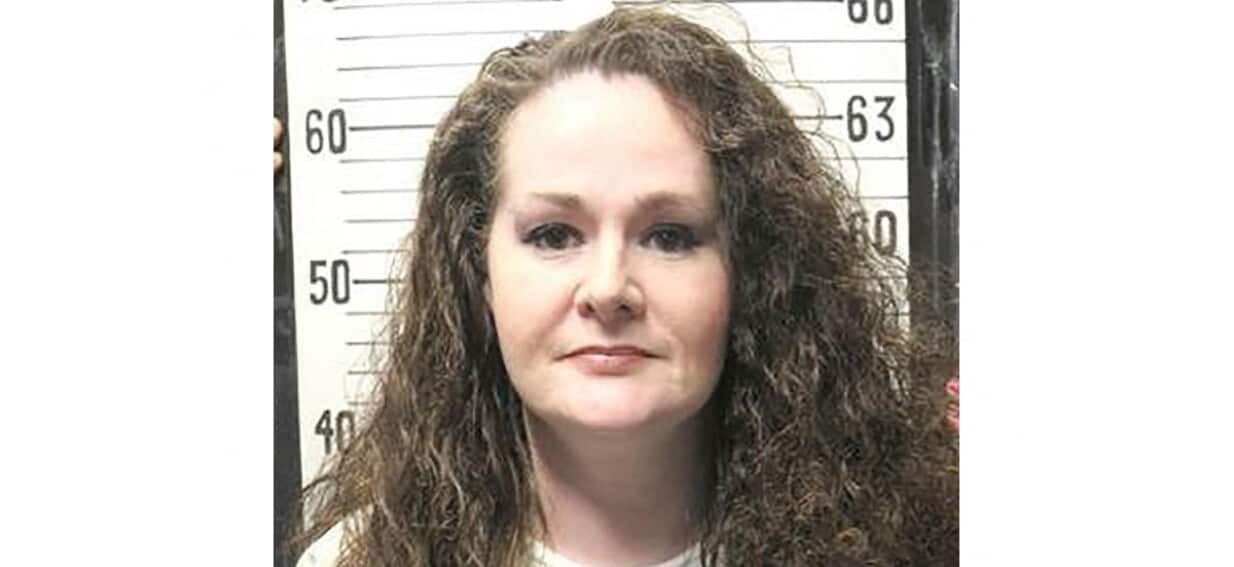
Christa Pike was “angry and confused” after regaining consciousness days after the US state of Tennessee tried to execute her, her lawyer said on Thursday.
The 50-year-old’s first words were “Where am I?” and “Who are you?” her attorney Randy Spivey said he was told.
He told a news conference his client was “very aware of what they did to her up to a point”.
Pike is believed to be the first person to survive after receiving lethal injection drugs during an execution. She was hospitalised after two doses of the barbiturate pentobarbital failed to kill her last week.
She woke up as plans were being made to remove her from life support six days later, Spivey said.
Your trusted source for staying up-to-date with the world around you. Get free daily news updates and analysis, straight to your inbox.
“But on Tuesday, to the shock of everyone … Christa woke up and began talking,” he said.
Pike’s legal team said she still can’t move her arms or swallow and has some cognitive confusion. She also has pneumonia and a blood clot in her arm, Spivey said.
Her hands were extremely swollen when they saw her Tuesday in the hospital, shackled to a bed, he added.
Her prognosis remains unclear and her attorneys have said she has a long road to recovery.
She and her attorneys had warned she could face complications if executed by lethal injection due to a blood disorder that makes it difficult to get needles into her veins.
Many questions remain about her recovery and whether Tennessee will seek to execute her again.
Authorities ordered to preserve evidence
At a hearing in a Tennessee court on Wednesday (local time), a judge said the Tennessee Department of Correction needs to save evidence, including drugs, syringes, intravenous (IV) lines and other medical items that were in the execution chamber.
Pike’s attorneys had asked for evidence, including drug lot numbers, communications and other material from the attempted execution.
Restrictions on the sale of drugs for use in executions have made lethal injection drugs difficult to procure, with some US states reportedly turning to less-regulated suppliers to obtain them.
Critics of the death penalty say the process, including the quality of the drugs used and where they’re obtained from, is typically shrouded in secrecy, and those involved in the execution often lack adequate medical training.
Tennessee does not disclose its drug supplier and has not said where Pike’s supply came from.
Jonathan Groner, a retired surgeon who has studied lethal injections, said the 5-gram dose of pentobarbital used in executions is much more than the amount that should put someone into a medical coma, suggesting the drug may have seeped into tissue near the injection site instead of entering her bloodstream.
“The fact that she woke, on one hand, says she got really little of it into her system. So that’s kind of shocking,” Groner said.
The legal path forward
Pike’s attorneys have repeatedly called on Tennessee Governor Bill Lee to commute Pike’s sentence to life in prison. She was sentenced to death three decades ago for murdering and torturing a classmate.
The governor has postponed the state’s only other execution for the year and ordered a review of the incident. The state’s prison chief resigned over the weekend.
Richard Bourke, an Australian barrister who spent more than 24 years representing people facing the death penalty in the US, said what happens to Pike will depend in part on her condition and recovery.
“Under US law, a person can’t be executed unless they are mentally fit and competent to understand what’s about to happen to them,” Bourke, the director of the Louisiana Capital Assistance Center, told SBS News.
If Pike has suffered serious brain damage, Tennessee could be barred from attempting to execute her again, he said. But the fact alone that she survived the attempt does not prevent the state from trying again.
“The state of Tennessee may choose not to pursue a further attempt to execute Christa Pike, and that has happened before in the case of botched executions,” Bourke said.
“By the same token, in other botched executions, the state has pursued another attempt and killed the accused.”
Joel Zivot, a professor of anesthesiology and surgery in Georgia who consulted as an expert for Pike’s legal team, said it could be weeks or months before anyone knows exactly what her recovery might look like, and whether her competency could be restored so the state can try again to execute her.
Texas pushes forward with a lethal injection
A Texas court on Wednesday refused to halt the execution of a man who fatally shot a convenience store clerk after his attorneys cited Pike’s case.
Texas planned to inject the same drug used on Pike, in what would be the first execution in the US since Pike’s.
Attorneys for Jamaal Howard argued in an appeal that pentobarbital poses risks, and also raised concerns about the quality of the drugs the state uses for executions. The court denied the request for a stay.
While Pike’s survival is unprecedented, botched executions are not. Pike’s case was the second time this year that Tennessee has failed to execute a death row inmate via lethal injection.
In May, executioners tried and failed for over an hour to establish an intravenous line to Tony Carruthers and ultimately called off the execution. The governor has since granted him a one-year reprieve.
Other prisoners who initially survived lethal injections have either died soon afterwards or were returned to death row after failures to establish IV lines.
Pike’s attorneys wrote in a court filing that “apparently at no point did any member of the execution team realise that the IV lines were not correctly placed or that the veins had blown”.
State officials have not yet offered an explanation, but the corrections department said in a statement it had “followed every step of the state’s lawful, established execution protocol approved by the attorney general’s office”.
— With reporting by the Associated Press.
For the latest from SBS News, download our app and subscribe to our newsletter.