‘Could this happen to us?’: The unnerving question facing female politicians
In Brief
- Female politicians across multiple parties have spoken out about the threats they receive.
- For some, safety concerns are impacting whether they run for office.
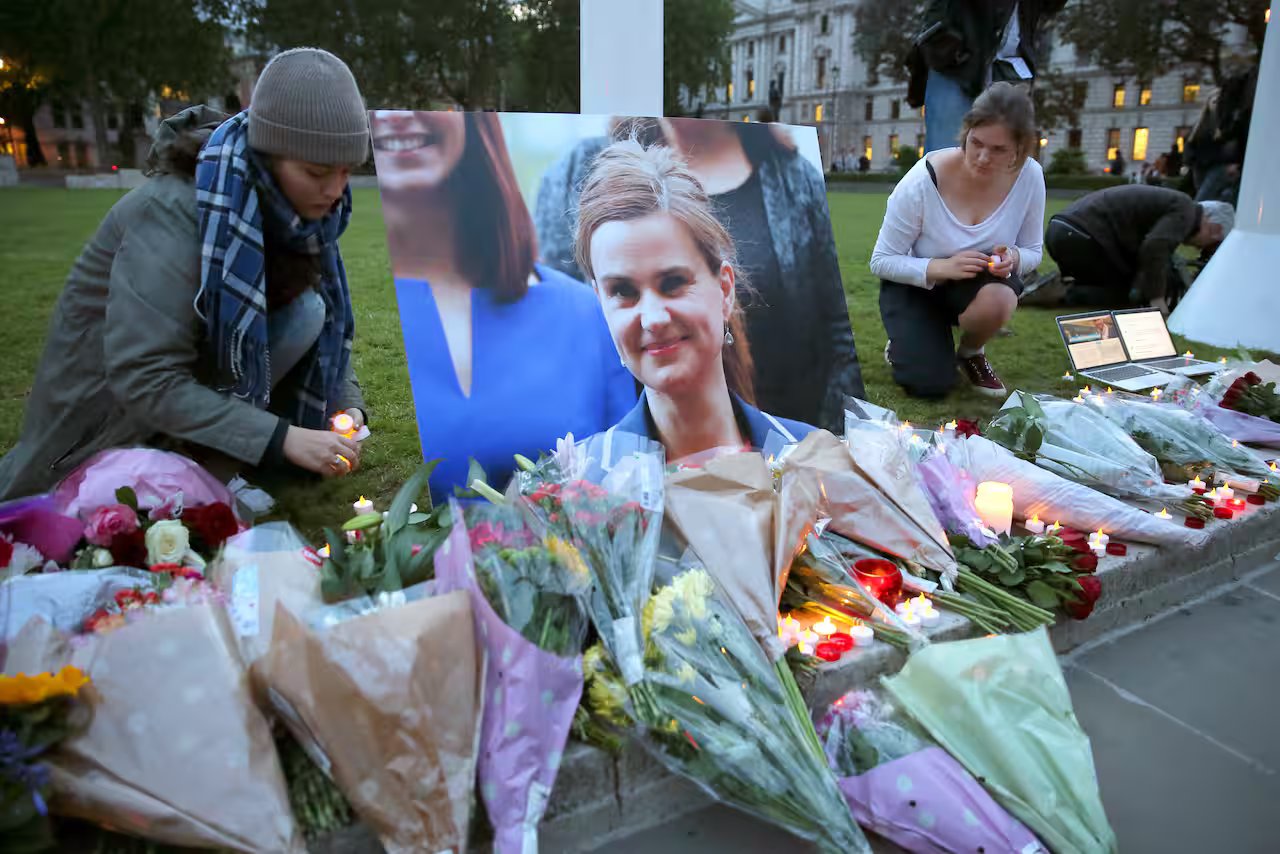
For Kim Leadbeater, this week’s events have revived painful memories. Her sister, Labour MP Jo Cox, was murdered in 2016 while serving in office.
Two more British MPs have been killed since.
“The really depressing thing for me is I’ve been giving a very similar interview for the last 10 years about how we need to look at our political culture in this country, and it would seem in other countries as well,” Leadbeater, also a Labour politician, told ABC’s 7.30.
“I find it really frustrating that we’re having the same conversation and every time something so horrific happens we call for a reset, but it just doesn’t seem to be happening.
“And maybe for Australia, this is your moment.”
Your trusted source for staying up-to-date with the world around you. Get free daily news updates and analysis, straight to your inbox.
Leadbeater said she has tried to channel her anger into something positive, and she now represents her sister’s former constituency.
Minister for Social Services Tanya Plibersek says while threats have always been there, the biggest change has been “the industrial scale”.
“Years ago, I had someone slip a note under my front door at home — no stamp on it or anything — they had obviously turned up in person, saying they hope my children die of painful cancers,” she told ABC’s 7.30.
“I couldn’t even count the number of death threats, rape threats I’ve had over the years.”
When Plibersek posted this week in support of Jackie Lambie, her post received a comment referencing the attack on Haines, saying: “She deserves to meet a LandCruiser”.
Sex Discrimination Commissioner Dr Anna Cody says “what happens online also starts to happen in real life very quickly”.
“I don’t think there is any woman in Australia in public office who has not experienced threats,” she told ABC News Breakfast.
“There is no woman in public office who does not have those concerns and those experiences.”
Cody says the gendered element has serious consequences for participation.
“We know that women experience a higher level of threats, abuse, it is often sexual in nature, and that is a real disincentive for women joining and becoming a part of the democratic process,” she said.
Cody says as a public figure, she too has experienced concerns for her safety.
As has Governor General Sam Mostyn.
“The online world is an easy place to lodge and to send in all those messages, often with vile language and with terribly highly gendered threat,” Mostyn told ABC Radio National.
“I’d learned to ignore it and to continue to move with great optimism and care for our country, and a deep belief in the future of our country.
“But it is there, it is a persistent niggle, and sometimes, and for many people, it’s far worse than I see, but it is there.”
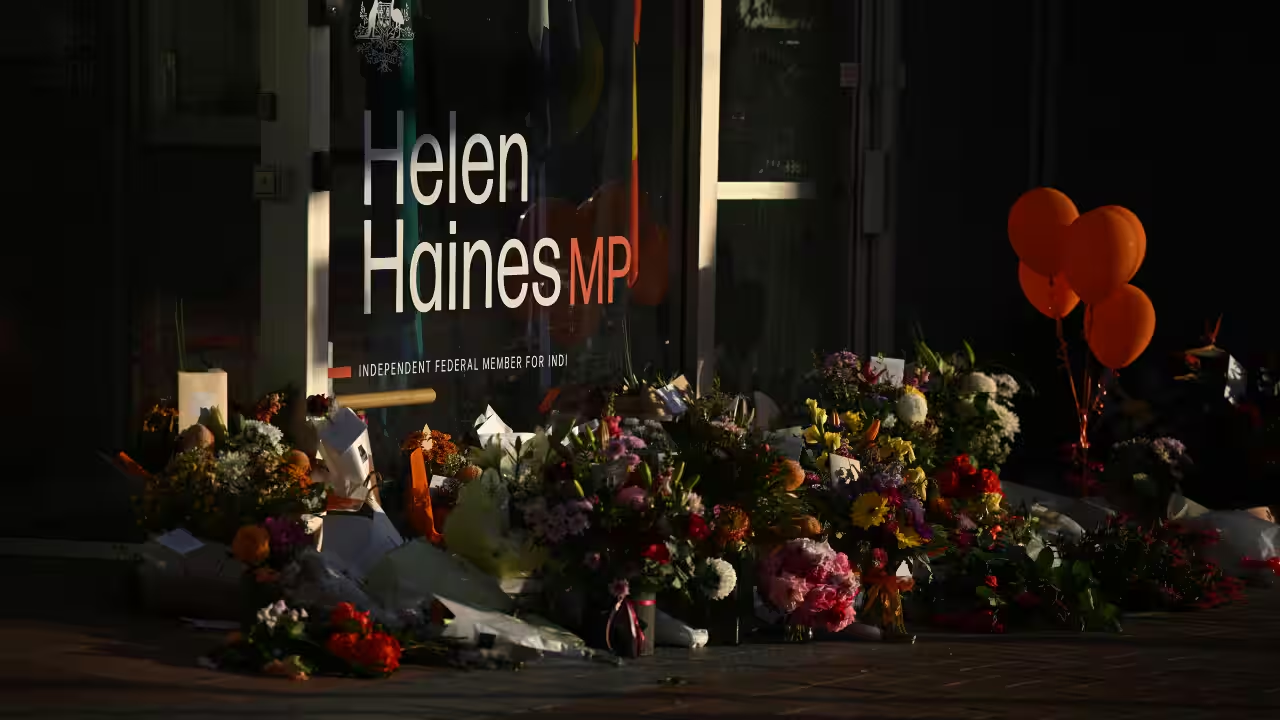
Shadow Minister for Women Melissa McIntosh says the incident has been hard to comprehend and digest.
“On one hand you feel like crawling up in a ball and on the other you feel really activated to make change, because as we know there’s been warnings for some time,” she told News 24.
“We know there’s an increase in violent attitudes towards politicians. I want to get a bit outraged, but in respect for Helen because she’s always been so calm and she’s got this great composure about her, I’m trying to channel her as well.”
Earlier this year, a survey of Australian women either elected or running for office found nearly 90 per cent had experienced online abuse or intimidation linked to their participation in politics.
The majority (82 per cent) of women reported changing their behaviour because of the abuse they received.
The research by Women for Election, an advisory group working to empower more women to run for all levels of government, included 51 current elected representatives and 53 candidates or aspiring candidates across local, state, territory and federal government.
Half of respondents questioned whether they would run again — or if they should have done so in the first place given what they know now.
For Tracee Hutchison, the hostility was enough to convince her not to run again after contesting the Victorian seat of Nepean as an independent in a by-election earlier this year.
“The verbal harassment I experienced, and that the women my team did, was unlike anything I had anticipated,” she said.
While campaigning, the broadcaster received death threats and discovered images online depicting her gagged. Concerned for her safety, she decided not to run again.
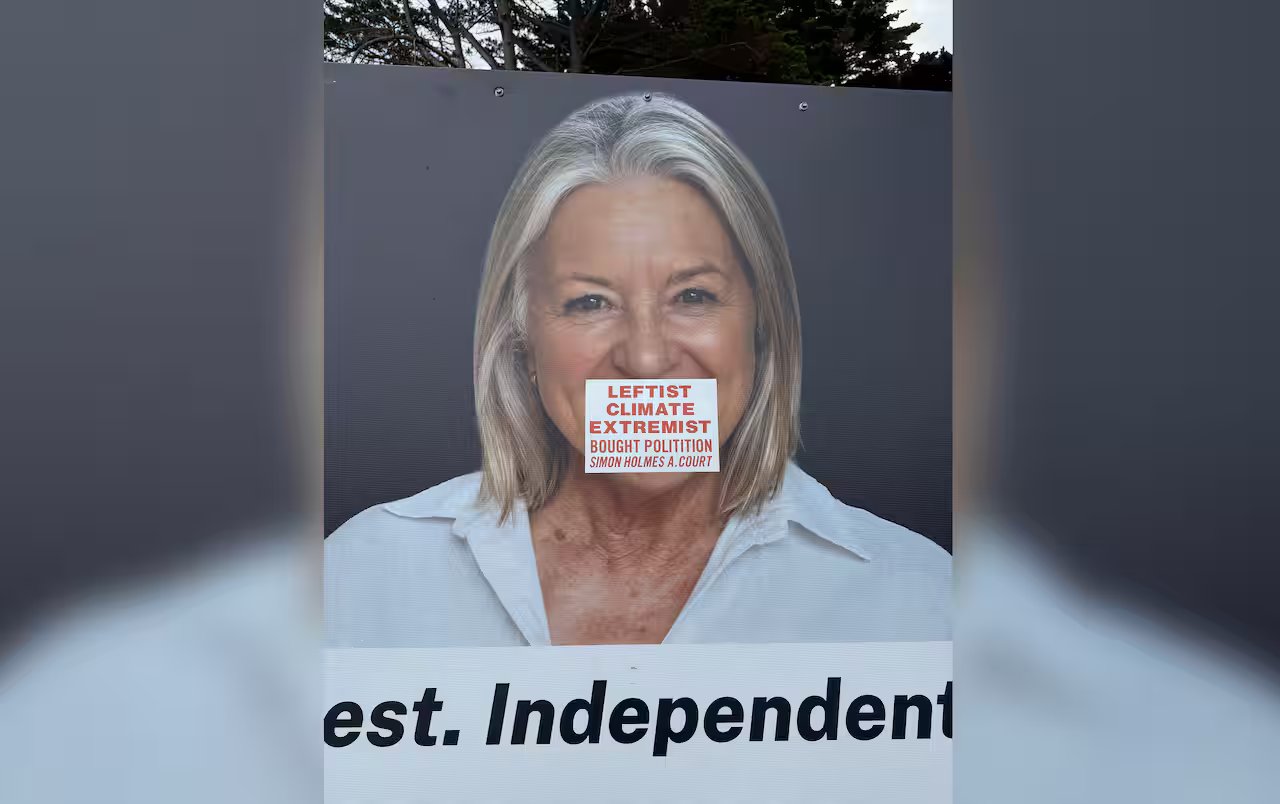
“Something has gone horribly wrong in this country,” she said.
“Violent attacks on public figures representing their electorates and violence against women are linked.”
Victorian MP Georgie Purcell says she’s been the target of online abuse tens of thousands of times in six months, even as recently as this week.
“One comment on my post about Helen said they wished it had happened to me,” she said.
She said the attack has left her feeling “pretty rattled”.
“It does change the way you move about the world. I consider my movements everywhere I go for my physical safety and I can’t do a lot of things other politicians, particularly men, can do,” she told the ABC.
“It is an act of male violence that has happened against a female politician. We’re thinking, ‘could this happen to us?’
“For me personally, I feel frustrated because we have been begging for action before something actually happened and now it has.”
Heading into a Victorian state election, Purcell said state MPs need the same security arrangements as federal members.
— With reporting by the Australian Associated Press.
For the latest from SBS News, download our app and subscribe to our newsletter.