Iran says seven oil tankers damaged in Strait of Hormuz in largest single-day record
In brief
- The reported attacks come ahead of federal elections in Israel this month and the Novemer US midterms.
- Iran is proposing to fully open the strait within a week if the US meets several conditions.
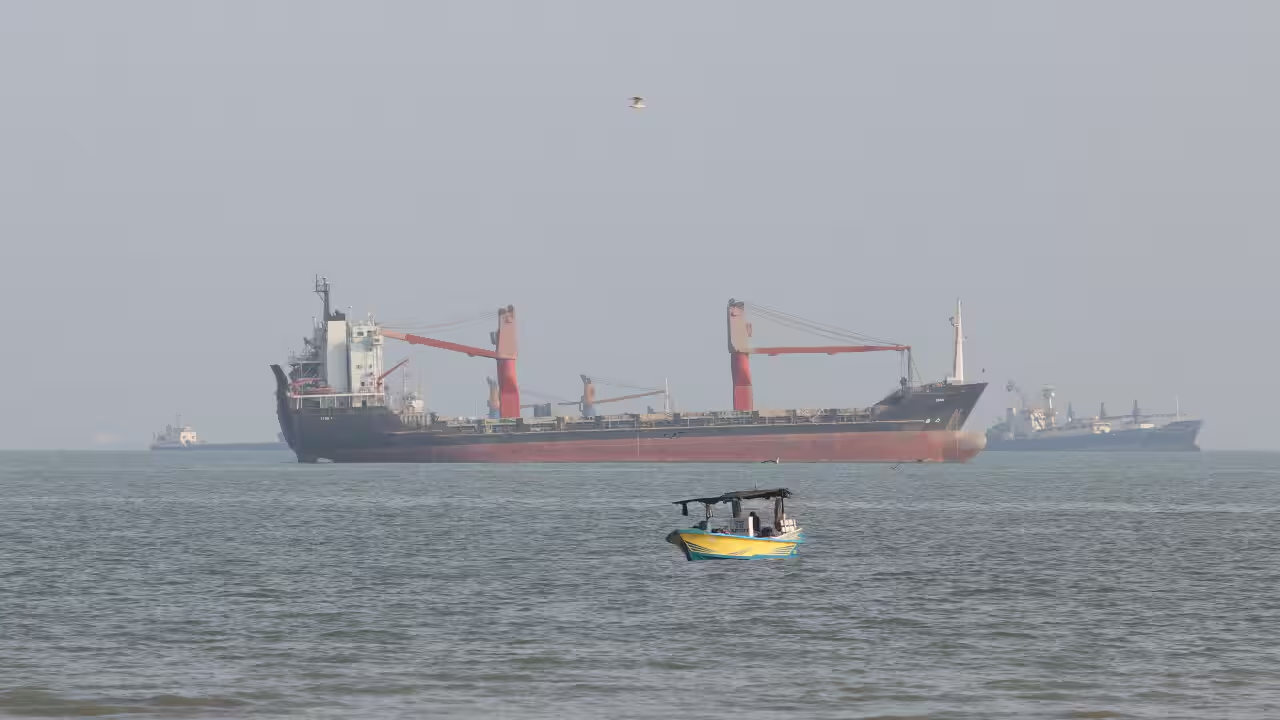
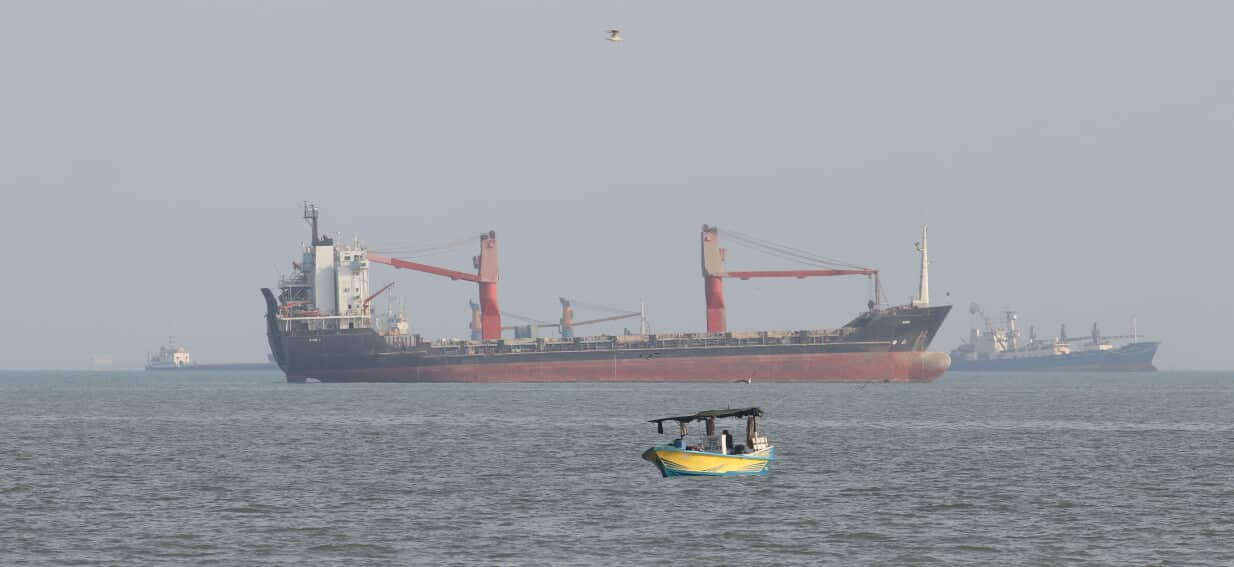
Iran says seven oil tankers either caught fire or were damaged in the Strait of Hormuz on Friday, while United States President Donald Trump said the country was making it up to drive up the price of oil.
If confirmed, it would be the largest single-day number of vessels damaged in the waterway since the start of the Iran war on 28 February, when the US and Israel launched joint strikes against Iran.
Quoting a statement by the Iranian Revolutionary Guards’ navy, Iran’s state TV said four of the tankers were transferring oil when they were targeted and caught fire. Three more were damaged and immobilised after hitting naval mines. The report didn’t provide details about possible casualties or the tankers’ flags.
Iran still asserts control over the waterway, a central point of leverage in any talks with the US over the war. The Revolutionary Guards have also repeated their threat to strike US military bases in the region if the US keeps guiding commercial ships through the strait.
Shipping data and analysis company Lloyd’s List Intelligence said on Thursday that tanker operators willing to risk the voyage have been transporting oil from Gulf producers through the strait at night, using a US military-protected lane near Oman’s coast with their location systems and mobile phones switched off.
Your trusted source for staying up-to-date with the world around you. Get free daily news updates and analysis, straight to your inbox.
The oil is then transferred to other tankers waiting in the Gulf of Oman for shipment to customers in Asia.
With days before a close election in Israel in which Prime Minister Benjamin Netanyahu could lose power, and before next month’s US midterm elections in which war-linked high prices have sparked voter anger, there are concerns that US-Israeli attacks on Iran could resume.
“Netanyahu wants to attack Iran; that’s not even a question,” Danny Citrinowicz, a researcher at Israel’s Institute for National Security Studies and a former Iran specialist in Israel’s military and intelligence services, told the AP.
He accused Israel of rushing into another round with Iran without revamping its strategy. A clear Netanyahu victory in the 27 October election means an attack is almost guaranteed, he said.
Main opposition candidates are likely to focus on domestic issues first, but Citrinowicz said he believed the region is on the way toward “another kinetic escalation”.
October record
October has had the most reported attacks on commercial shipping since the war’s opening weeks in March, according to a British military monitor, the United Kingdom Maritime Trade Operations. The organisation didn’t report the latest attacks, but it has noted new reluctance by some shippers to report incidents.
Oil producers have found ways to keep crude flowing, experts say, but at a mounting cost.
The average price for regular unleaded fuel in Sydney this week is 239.8 cents per litre, according to the NRMA, compared with averages of 166 cents and 180 cents per litre before the war started in February.
The so-called “dark shuttle” overseen by US Central Command has helped restore oil shipments from the Gulf to roughly pre-war levels, but at the cost of time, money and sailors’ lives. Spot charter rates for tankers have soared into the hundreds of thousands of dollars a day, while the ship-to-ship transfers can take several days.
United Nations spokesperson Stéphane Dujarric said no commercial ships should be attacked and called for diplomacy between the US and Iran in order to reopen the strait.
“For the sake of the people of the region and for the broader world, we need to see that waterway reopen, and we need to see tensions go down,” he said on Friday.
Earlier this week, Iranian foreign minister Abbas Araghchi said Iran was open to diplomacy but ready to defend itself.
Iran has warned that it learned important military lessons from the war, indicating it could expand targets to include infrastructure such as undersea cables and data centres.
The US is sending more military assets to the region, including a third aircraft carrier and thousands of troops, to join the largest force of US warships and aircraft in the Middle East in decades.
Mediators, meanwhile, have been trying to bring the US and Iran back to formal talks.
Iran still promotes its latest proposal to end the war and fully open the strait within a week if the US meets several conditions, including ending the US blockade of Iranian ports. It echoes conditions in the deal that fell apart within days of both sides signing it in June.
Trump rejected the latest proposal last month, but both sides acknowledged that indirect discussions have continued.
For the latest from SBS News, download our app and subscribe to our newsletter.