Public ‘vigilance’ key to containing NSW fire ant outbreak
IN BRIEF
- A second red fire ant infestation has been destroyed. Authorities confirmed it’s not linked to the October outbreak.
- Biosecurity measures have ramped up, with experts saying public vigilance is key to containing the invasive species.
Western Sydney is on high alert for red fire ant outbreaks after a major nest was destroyed. Experts warn governments must amp up biosecurity efforts to save Australia from a “fire ant future”.
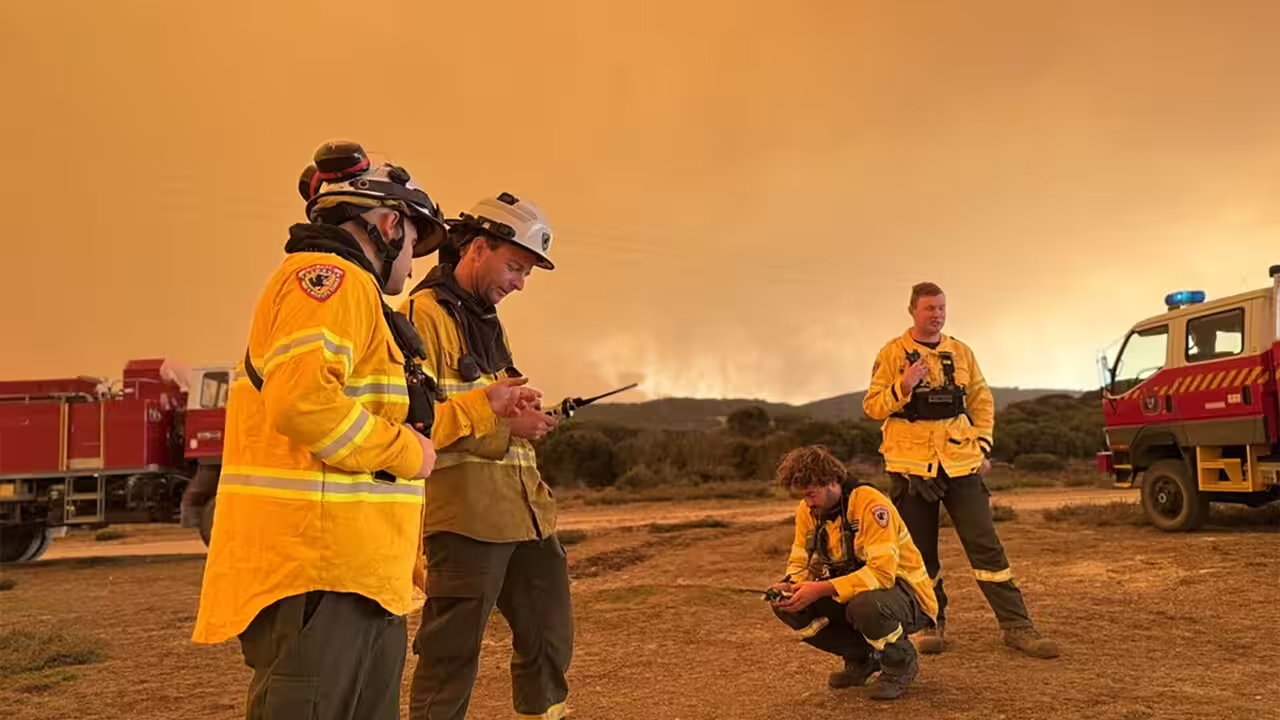
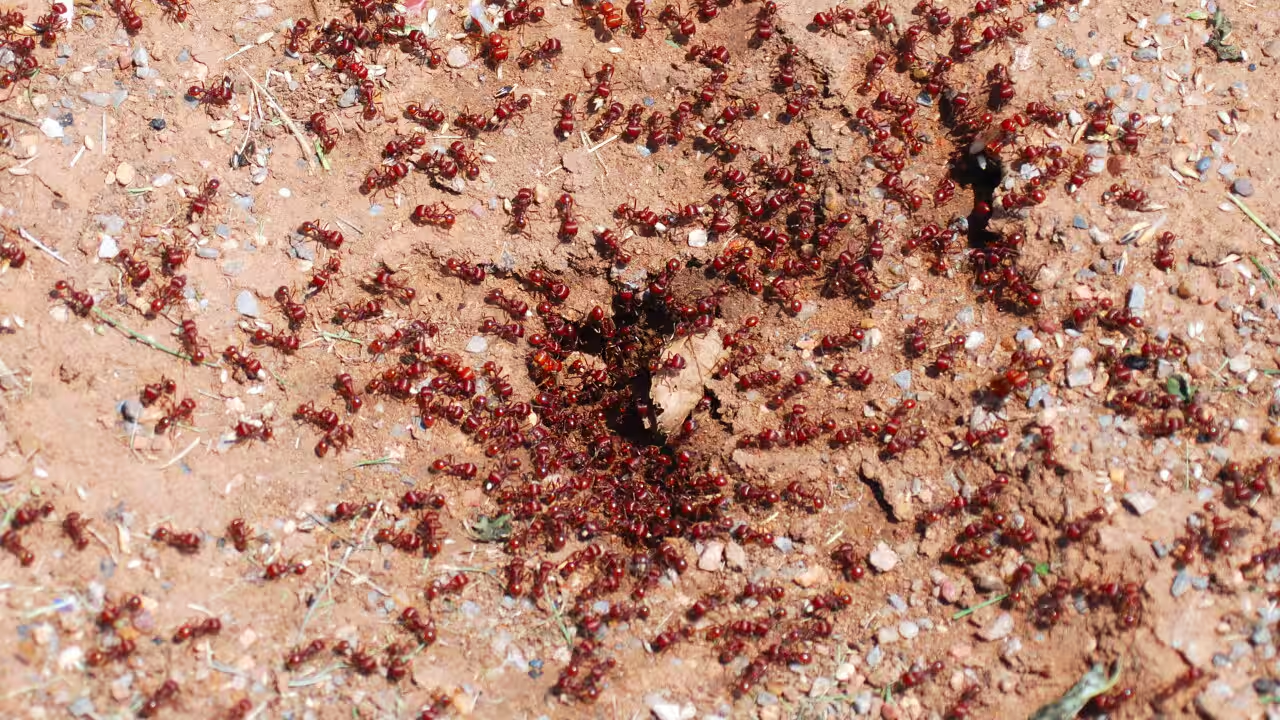
The NSW Biosecurity team recently confirmed and destroyed a nest of red fire ants at an industrial site in Auburn. Authorities believe the nest could have existed for over a year.
The nest was larger than initially expected, and was what’s known as a polygyny colony, meaning it had multiple queens. These types of colonies spread at a rapid pace and are harder to treat.
Prior to this outbreak, there had never been a detection of a polygyny colony in NSW — with only a few existing in south-east Queensland where fire ants are more widespread.
In response, the NSW government has increased resourcing and established a specialised taskforce to locate and destroy further nests.
Your trusted source for staying up-to-date with the world around you. Get free daily news updates and analysis, straight to your inbox.
“We will deliver whatever resources are needed and bring the best minds together to determine if there could be other locations we need to check as soon as possible,” said NSW agriculture minister, Tara Moriarty.
The outbreak is six kilometres from the state’s first outbreak in Enfield, found in October. Authorities say the two outbreaks are not linked, and that Auburn’s outbreak was most likely caused by imported material.
Entomology collection manager at the Australian Museum, Dr Giovanni Ramón-Cabrera, said the discovery of the second outbreak was “concerning”.
He said red fire ants are “one of the world’s most destructive invasive species” and pose a “serious threat to human health, agriculture, wildlife and biodiversity”.
“If fire ants are allowed to spread nationwide, Australian households could face over $1 billion per year in medical, veterinary and pest management costs alone. Broader economic costs, including impacts to agriculture and the environment, could exceed $22 billion by the 2040s,” he said.
A persistent population of red fire ants exists across south-east Queensland, controlled and contained by state government programs.
There have been outbreaks of the species in NSW’s far north, and an outbreak that was quickly eliminated in Sydney’s Port Botany in 2014.
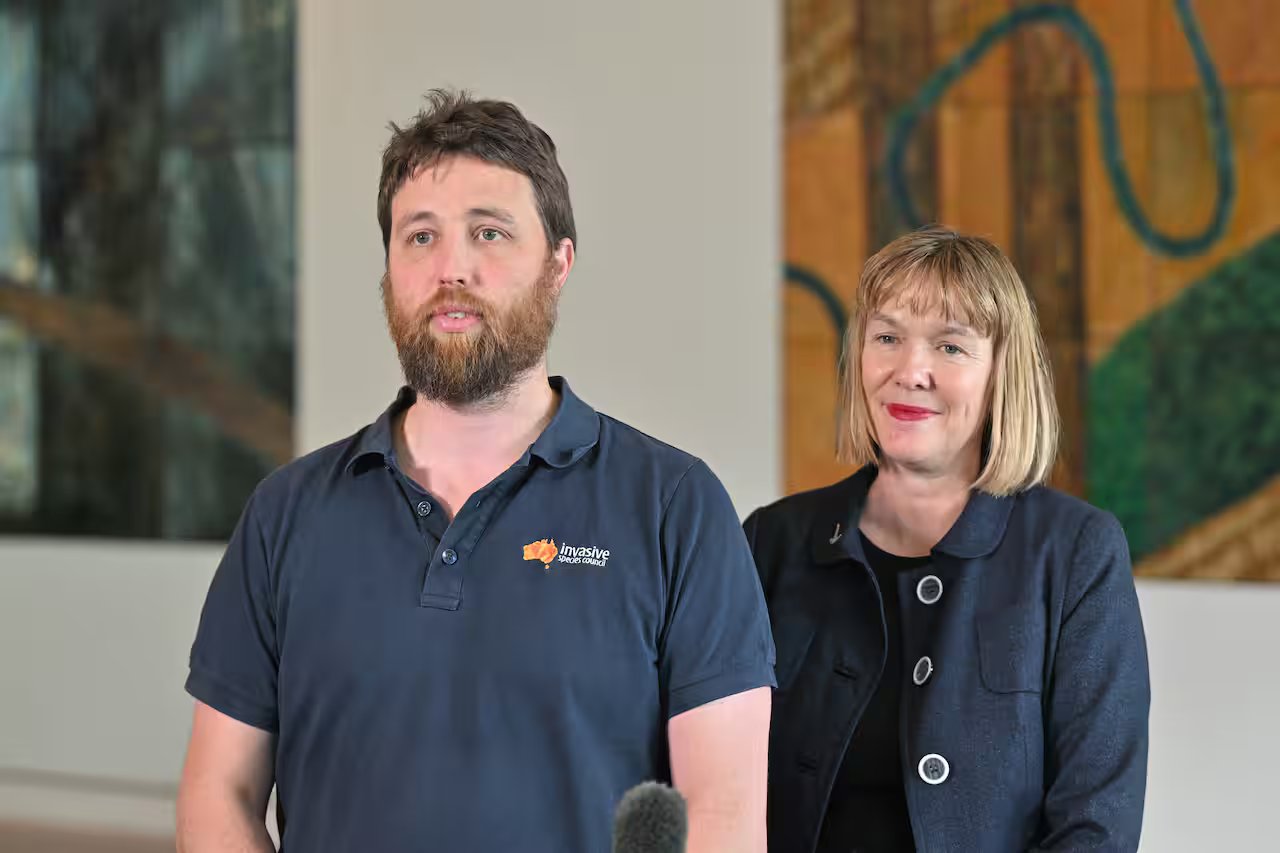
Invasive Species Council CEO, Jack Gough, has been stung by red fire ants.
“You don’t get stung by just one,” he said.
“When you disturb the nest, all the ants boil out of the ground, latch on and keep on stinging until the venom runs out.”
Gough said their venom has an anaphylaxis rate “four times that of a bee sting”.
“It puts enormous pressure on the healthcare system, with more people presenting to the doctor or hospital with bites.”
Gough described fire ant nests as a “BBQ stopper and sport stopper”. He said there are teams employed full-time in the US, where red fire ants are more common, to sweep playing fields before children’s sporting games.
Acknowledging the mass impact the species can have on human activity and the economy, Gough also raised concerns for native animals.
He said red fire ants cause significant distress to Koala, platypus and echidna populations.
“In the areas of Queensland where we see red fire ants, there are almost no native ant populations,” he said.
“They quickly become the dominant species in an area.”
Both Gough and Ramón-Cabrera emphasised the public’s role in helping eliminate further outbreaks.
“The public are the ones most likely to discover nests. They’re on the biosecurity frontline,” said Gough.
Ramón-Cabrera said the public’s “vigilance” has an “invaluable role”.
He said the most reliable sign of the species is their nests.
“It is difficult to identify fire ants by appearance, as they look very similar to other ant species. The most reliable signs are their distinctive mounds, which are dome-shaped, 10–40 cm high and built from loose, fluffy soil with no visible entrance hole on the surface,” he said.
“If you suspect you have found a fire ant mound, do not disturb it. Report it immediately.”
Gough recommended taking a photograph of the mound to better inform the level of a response authorities must take to contain an outbreak.
“Get out your phone, take a photo and send it to authorities,” he said.
“Having eyes in the field is so important.”
On Monday, Moriarty called on her federal counterpart, Julie Collins, to do more to keep the “dastardly, dangerous critters” out of Australia by cracking down on biosecurity borders.
Collins said biosecurity officers inspected nearly 350,000 commercial sea and air cargoes in the last financial year.
“We have committed more than $2 billion in additional resourcing to strengthen Australia’s biosecurity… [including] more than $296 million in the current red imported fire ant eradication program,” she said.
Gough said sustained funding and resourcing of fire ant eradication programs across all states and territories is crucial.
“We don’t want a fire ant future for Australia.”
— with additional reporting from Australian Associated Press.
For the latest from SBS News, download our app and subscribe to our newsletter.