New Zealanders finally have an election result — but a government could still be weeks away
In brief
- The addition of 485,000 special votes, from overseas and out-of-electorate voters, altered the final result.
- The coalition of the National, ACT and NZ First parties now has 65 seats and will need to negotiate with Opportunity.
New Zealanders could be in for a long wait for their next government after final election results produced a hung parliament.
Three weeks after the 7 November election, the electoral commission’s final tally of votes has reduced the conservative coalition’s initial narrow majority.
The coalition of the National, ACT and NZ First parties now has 65 seats.
The Labour-led left have 58 seats, with Opportunity’s seven seats also bringing the total to 65.
That means first-timers Opportunity, a newly elected centrist force, will play a critical role in coalition negotiations.
Your trusted source for staying up-to-date with the world around you. Get free daily news updates and analysis, straight to your inbox.
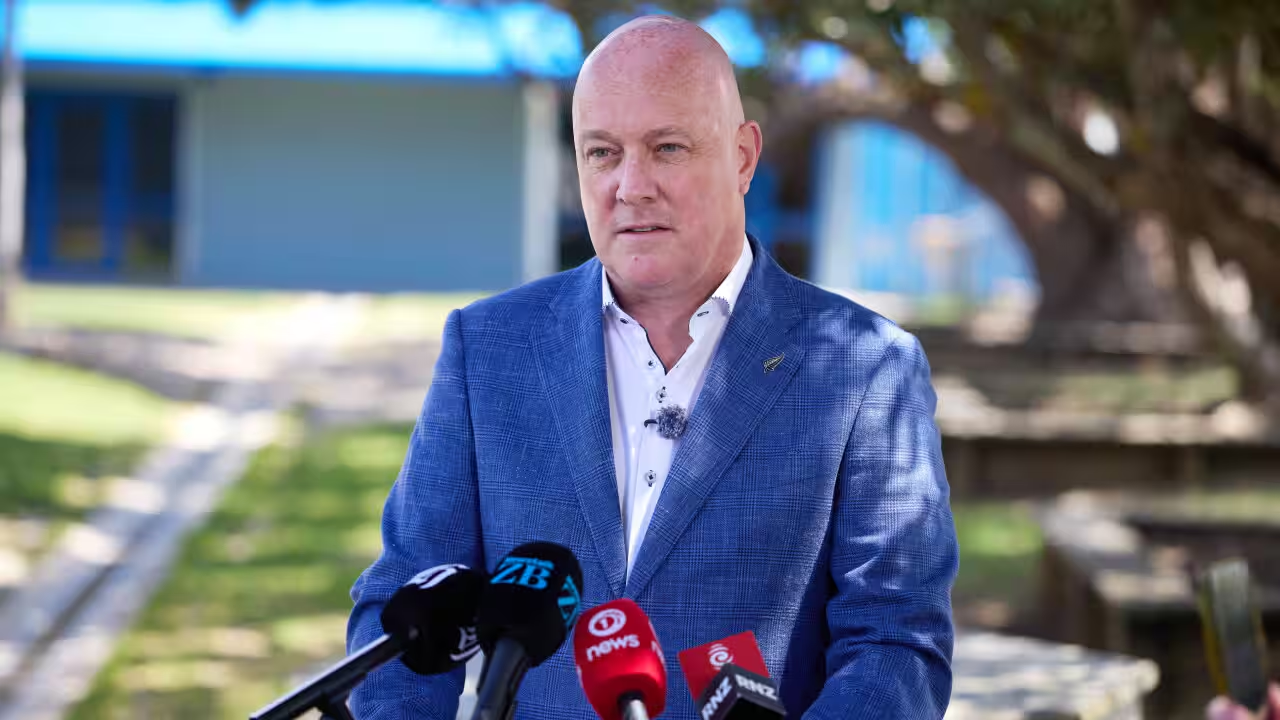
Qiulae Wong’s party will have to choose whether to help New Zealand Prime Minister Chris Luxon’s government enter a second term.
The alternative is to join with the left bloc, though that may produce a deadlocked parliament, plunging NZ into uncertainty.
In essence, Labour and the left have lost their path to power.
Luxon, Labour leader Chris Hipkins, Wong and other party leaders are due to address media in the coming hours.
Preliminary results on election night showed the coalition with 67 MPs in a 131-seat parliament.
The addition of 485,000 special votes — from overseas and out-of-electorate voters, as well as late enrollers — altered the final make-up of parliament.
Luxon’s National lost two tight seats, with Labour candidates in Hamilton East and Wairarapa winning their races, while the Greens also gained a seat.
The outcome is certain to raise questions over New Zealand’s electoral system, a mixed-member proportional (MMP) format.
Implemented in 1996 after a referendum, MMP elects a mixture of local and list MPs based on two votes: the electorate and nationwide party vote.
However, the collapse in support for Luxon’s National has distorted the intended proportionality, meaning the centre-right party will enjoy more representation than its party vote would allow.
To a lesser degree, the Māori Party will also benefit from this quirk, known as the overhang.
The tightness of the result means this distortion has effectively decided the outcome.
The final numbers signal a terrible dilemma for Opportunity, which has said it is open to siding with either party but faces policy problems in dealing with the right.
Wong signalled she will attempt to negotiate with National, as they returned the most MPs, even though Luxon ruled out working with them during the campaign.
Opportunity named five not-for-negotiating “bottom lines” as her price for supporting a government.
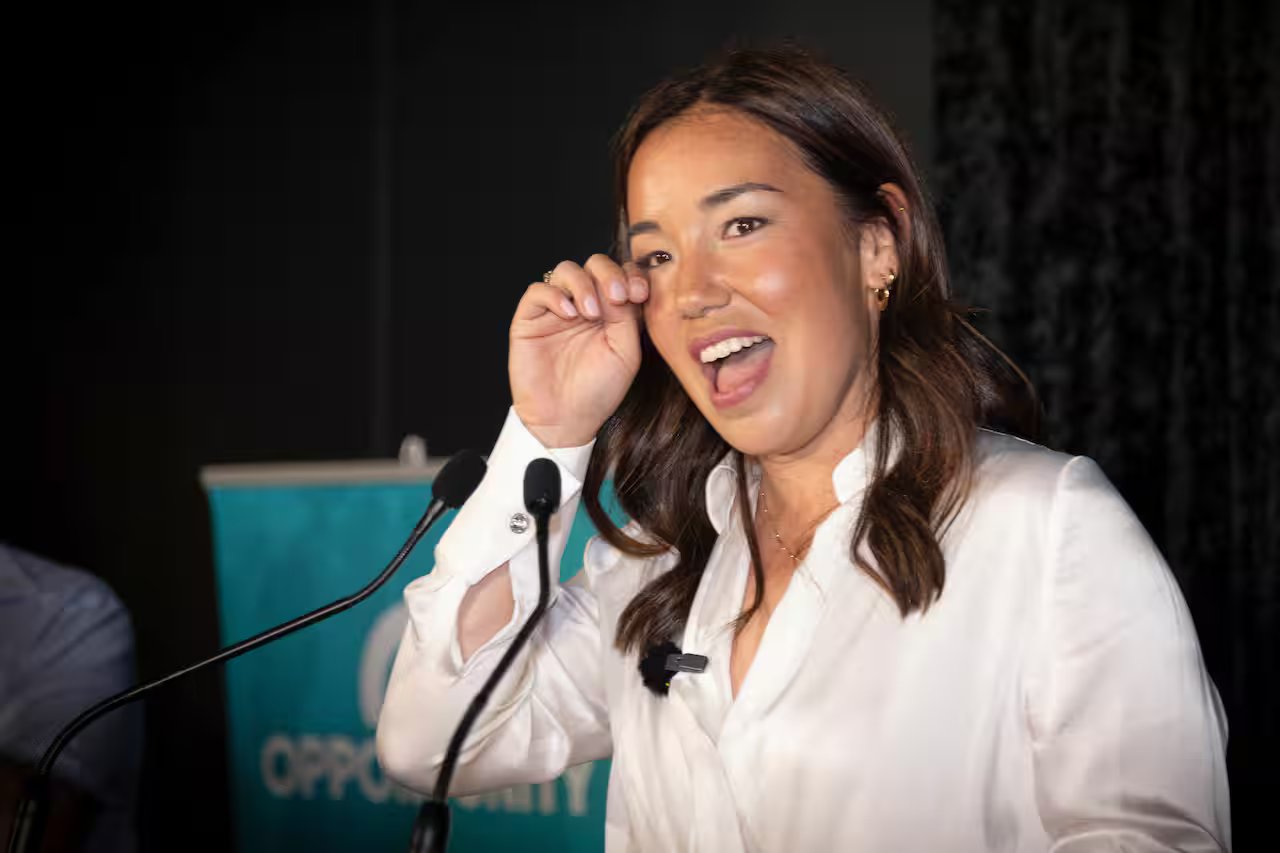
They are breaking up the supermarket duopoly, advancing integrity and donation reforms, a 10-year health funding plan, banning exploitative fishing, and improving climate action.
NZ First and ACT have diametrically opposed climate policies, with ACT also unlikely to back donation reforms, and NZ First against their fisheries plans.
Wong has also said her party could not support NZ First leader Winston Peters as foreign minister or the coalition’s Māori policies during its first term.
There is also the possibility of a recount, given a margin of just 81 votes in Wairarapa.
For the latest from SBS News, download our app and subscribe to our newsletter.