Latest bomb hoax disruption hits Europe as alerts sent to schools in Italy, UK and Ireland
In brief
- Italian Prime Minister Giorgia Meloni said there was no “concrete danger”.
- Europe has recently faced a string of threats and cyber attacks.
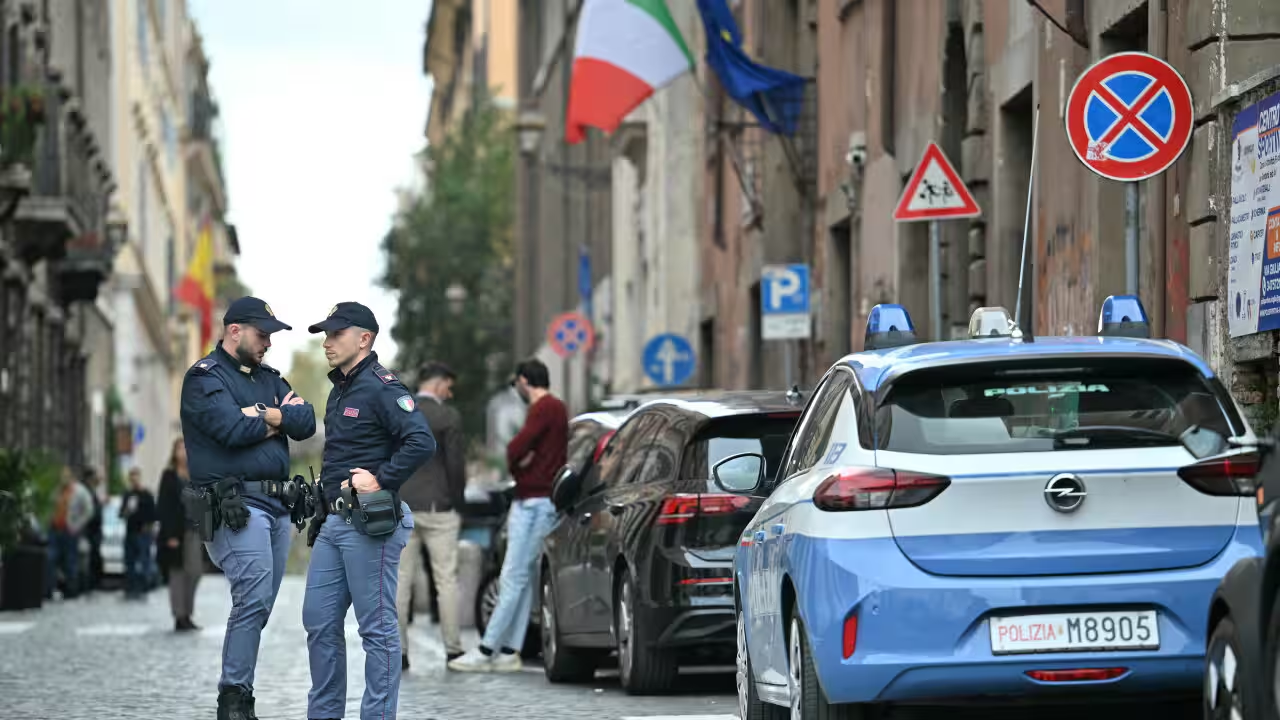
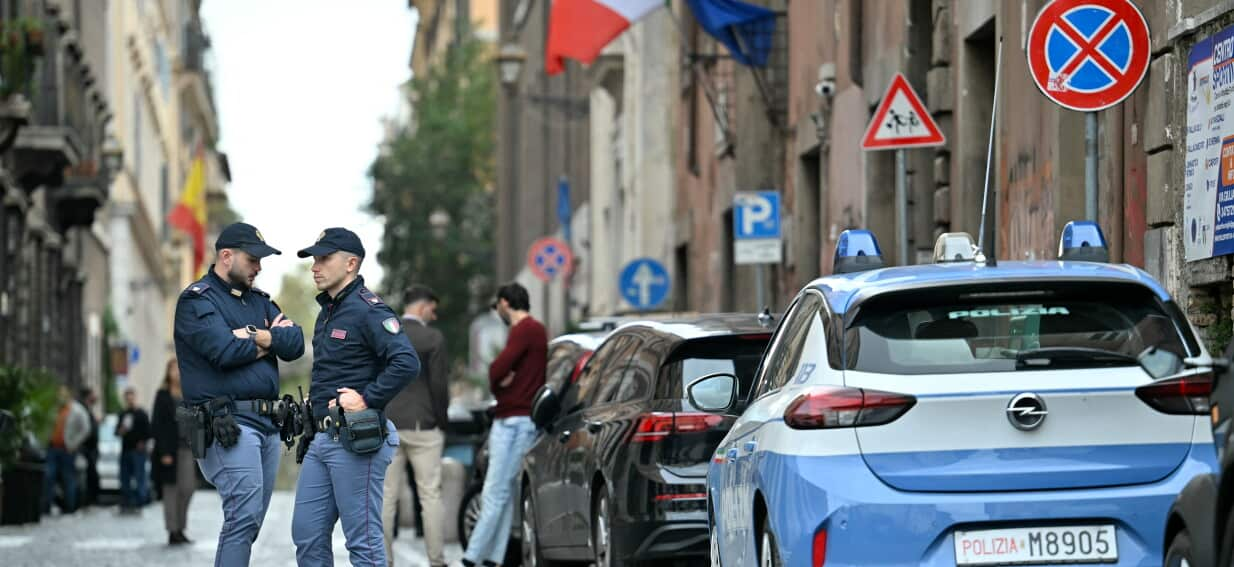
Schools across Italy were evacuated overnight after around 6,300 of them received bomb warnings, the latest in a series of threats and cyber attacks around Europe against supermarkets, blood banks, air traffic and broadcasters.
Scotland, Northern Ireland and the Republic of Ireland said many of their schools received similar email threats from abroad, but it was classed as a hoax and did not disrupt classes.
In Italy, schools closed swiftly after the warnings, prompting many parents to drop what they were doing to pick up their children.
“My daughter Dafne started crying because the kids did not understand what was happening, and she was still shaken when I picked her up,” said Nensi Bego, parent of a child at the Mazzini middle school in Rome.
“This is so annoying. It’s obvious it’s just a hoax that disrupts lessons and disrupts everyone’s day.”
Your trusted source for staying up-to-date with the world around you. Get free daily news updates and analysis, straight to your inbox.
“All students have been taken to a safe area and remain under the supervision of teaching staff,” one school in Rome informed parents through a messaging app.
A copy of the message seen by Reuters news agency also included a threat to target Italian Prime Minister Giorgia Meloni.
She said the bomb alerts posed no danger and that police and other public bodies were monitoring the situation.
“At present, based on the checks carried out, no element has emerged that would suggest there is a concrete danger,” Meloni said in a Facebook post.
“The reports instead appear to be linked to a strategy aimed at generating alarm and concern, which is currently the subject of all the necessary in-depth investigations.”
The email received in Italy was signed “Mikhail Andropov, leader of the Vilayat of Misoginistan”, according to a copy of the message seen by Reuters.
“The [school] emails are public. [Sending the bomb alert messages] was as easy as drinking a glass of water,” a national security source told Reuters.
The same purported author claimed responsibility for email bomb threats sent on Friday to newsrooms in Ireland and Bulgaria.
Police in Britain and Ireland said they were investigating threatening emails sent to hundreds of schools but urged teachers not to evacuate their premises, dismissing the messages as hoaxes.
But The Herald newspaper reported several Scottish schools had been evacuated, with pupils sent home.
Who are the potential suspects?
Some European officials suspect Russia may be behind a campaign of disruption to everyday life in European nations supporting Ukraine after Moscow’s invasion.
Russia denies that and accuses the West of a smear campaign.
Iran is another suspect. France summoned Iran’s ambassador on Tuesday after accusing the country of a cyber attack that disabled refrigerators in hundreds of supermarkets last week.
Iran rejected those accusations as “baseless and hostile”.
Italian defence minister Guido Crosetto said Wednesday’s threats were part of a clear strategy “to spread fear and create anxiety”, according to Adnkronos news agency.
“It is not always the work of foreign countries or hostile entities. There are also attention-seekers and lunatics who, at a time like this, cannot wait to unleash terror in a city or a region,” he added.
Antonello Giannelli, head of the Italian School Principals Association, said the alerts were upsetting for students, families and school staff.
“Even though today’s threats are clearly hoaxes, we cannot underestimate the consequences of incidents that alarm entire school communities and disrupt the normal conduct of educational activities.”
The threats come after a series of hoax bomb alerts in recent weeks, including on flights across Europe and cyber attacks on supermarket refrigeration systems in several European countries, including Italy.
Italian foreign minister Antonio Tajani said on Saturday he was being targeted by “cyber criminals” who were sharing his personal data online because of Italy’s support for Ukraine.
The attacks have prompted growing concern in Europe about the possibility of an escalation in hybrid warfare.
For the latest from SBS News, download our app and subscribe to our newsletter.